What Are The Properties of Graphene Fabrics? Jul 20, 2026
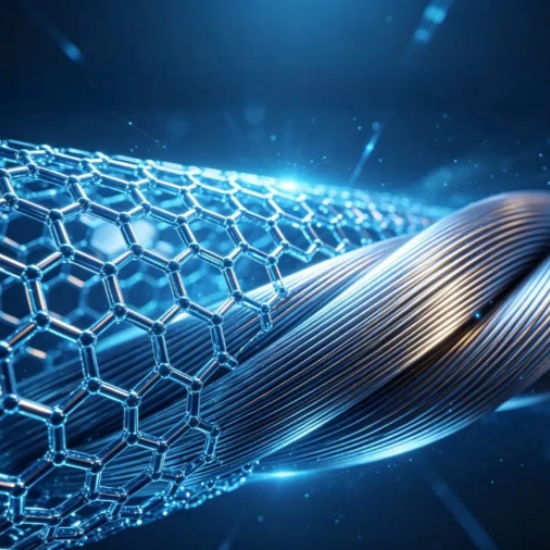
Graphene is a new material consisting of carbon atoms with sp² hybridization tightly packed into a single-layer, two-dimensional honeycomb lattice structure. Graphene possesses outstanding optical, electrical, and mechanical properties and holds significant potential for applications in materials science, micro- and nanofabrication, energy, biomedicine, and drug delivery; it is considered a revolutionary material of the future.

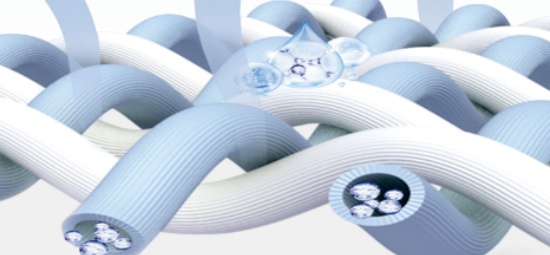
Graphene fabric offers six major health benefits: antibacterial and antimicrobial properties, antiviral properties, far-infrared emission, negative ion generation, UV protection, and dust mite suppression.


Antibacterial and Bacteriostatic Properties
The superior antibacterial and bacteriostatic properties of graphene-functionalized fibers can significantly eliminate odors caused by bacteria. At the same time, they help prevent bacterial growth to a certain extent, reducing the risk of further transmission. This, in turn, lowers the incidence of skin diseases, accelerates the healing of skin wounds, improves personal hygiene, and safeguards your health.

Graphene’s unique nanoscale edges, large specific surface area, and surface functional groups can cut and encapsulate bacteria, as well as catalyze oxidative stress in bacteria, thereby inhibiting bacterial growth. Although the scientific community is still actively researching its antibacterial mechanisms, graphene has demonstrated extremely promising prospects as an antibacterial material that does not lead to drug resistance and does not pose a threat to the environment or human health, unlike heavy metal ions.

Suitable for underwear, socks, towels, sportswear, bedding, and public textiles.

Antiviral Properties
According to tests conducted by authoritative institutions, the measured antiviral efficacy of single-layer graphene multifunctional composite fiber fabrics against the H1N1 influenza virus reached 99.99%.


Antiviral Principle: Graphene can catalyze oxidative stress reactions in viruses, leading to their inactivation. Whether in hospital settings or at home—anywhere viruses may be present—single-layer graphene multifunctional composite fibers prove to be highly effective.


Far-Infrared Emission
Infrared rays in the 4–16-micrometer range are known as “life-giving light waves.” Their energy resonates with human cellular tissues, accelerating blood circulation and metabolism. This effectively alleviates fatigue, provides antioxidant benefits, and purifies toxins within the body to boost immunity. At the same time, it enhances muscle elasticity, while the fibers gently warm and retain body heat, leaving people feeling more energetic and reducing the formation of cellulite.


Graphene’s large benzene ring structure exhibits strong infrared absorption within the 4–16-micrometer wavelength range, making it an ideal material for both absorbing and emitting far-infrared radiation. Graphene-enhanced fibers absorb external light and thermal energy, converting them into beneficial far-infrared waves that are reflected back onto the skin.


Negative Ion Generation
As a piezoelectric material, graphene can release abundant negative ions. Negative ions are known as the “vitamins of the air” and have two major functions:
1. Air purification—removing dust and breaking down harmful gases.
2. Health and wellness—improving brain function, boosting the body’s immunity, promoting metabolism, regulating nervous system function, and relieving fatigue. It can slow the heart rate, help normalize blood pressure in patients with hypertension, and also enhance ciliary movement on the surface of the respiratory tract, increase glandular secretion, improve lung ventilation, and reduce the respiratory tract’s susceptibility
to trauma.


UV Protection
Exposure to ultraviolet (UV) radiation in the 290–400-nanometer wavelength range causes the skin to produce large amounts of free radicals, leading to oxidative reactions in cell membranes and prompting melanocytes to produce more melanin. Graphene-functionalized fibers can block UV rays, protecting the skin from sunburn and reducing the risk of skin cancer.


The conjugated structure formed by carbon atoms on graphene is precisely matched to the energy of UV radiation, enabling it to effectively absorb and block UV rays. At the same time, graphene’s unique two-dimensional structure makes it particularly effective at blocking light; even a very small amount can impart excellent UV protection to the fibers.


伝言を残す
当社の製品に興味があり、詳細を知りたい場合は、ここにメッセージを残してください.できるだけ早く返信します.

製品

skype

whatsapp